The BBI translates science in a way everyone can understand. Our mission is to empower people to live happy healthy lives through a biological understanding of behavior.
Learn about emotions & behaviors at your own pace in your own space.
Are emotions and behaviors maladaptive? Why do behavioral adaptations happen, why are they different in different people, and how do they help you survive the environment YOU have experienced?
Are emotions and behaviors maladaptive? Why do behavioral adaptations happen, why are they different in different people, and how do they help you survive the environment YOU have experienced?
____________________________________________
References and suggested reading/listening:
Peer Reviewed Scholarly Publications
Boon-Falleur, M., Baumard, N., & Jean-Baptiste, A. (2022). Optimal resource allocation and its consequences on behavioral strategies, personality traits and preferences Mélusine Boon-Falleur. 1–39
Ellis, B. J., Abrams, L. S., Masten, A. S., Sternberg, R. J., Tottenham, N., & Frankenhuis, W. E. (2022). Hidden talents in harsh environments. Development and Psychopathology, 34(1), 95-113. https://doi.org/10.1017/S0954579420000887
Ellis, B. J., Bianchi, J., Griskevicius, V., & Frankenhuis, W. E. (2017). Beyond Risk and Protective Factors: An Adaptation-Based Approach to Resilience. Perspectives on Psychological Science, 12(4), 561–587. https://doi.org/10.1177/1745691617693054
Ellis, B. J., Del Giudice, M., Dishion, T. J., Figueredo, A. J., Gray, P., Griskevicius, V., Hawley, P. H., Jacobs, W. J., James, J., Volk, A. A., & Wilson, D. S. (2012). The evolutionary basis of risky adolescent behavior: implications for science, policy, and practice. Developmental Psychology, 48(3), 598–623. https://doi.org/10.1037/a0026220
Frankenhuis, W. E., & de Weerth, C. (2013). Does Early-Life Exposure to Stress Shape or Impair Cognition? Current Directions in Psychological Science, 22(5), 407–412. https://doi.org/10.1177/0963721413484324
Frankenhuis, W. E., & Nettle, D. (2020). The Strengths of People in Poverty. Current Directions in Psychological Science, 29(1), 16–21. https://doi.org/10.1177/0963721419881154
Frankenhuis, W. E., Young, E. S., & Ellis, B. J. (2020). The Hidden Talents Approach: Theoretical and Methodological Challenges. Trends in Cognitive Sciences, 24(7), 569–581. https://doi.org/10.1016/j.tics.2020.03.007
Simpson, J. a., Griskevicius, V., Kuo, S. I.-C., Sung, S., & Collins, W. A. (2012). Evolution, stress, and sensitive periods: The influence of unpredictability in early versus late childhood on sex and risky behavior. Developmental Psychology, 48(3), 674–686. https://doi.org/10.1037/a0027293
Young, E. S., Frankenhuis, W. E., DelPriore, D. J., & Ellis, B. J. (2022). Hidden talents in context: Cognitive performance with abstract versus ecological stimuli among adversity‐exposed youth. Child Development, 93(5), 1493-1510. https://doi.org/10.1111/cdev.13766
News and Editorials
Gibbens, S. (2018, April 19). “Sea Nomads” Are First Known Humans Genetically Adapted to Diving. National Geographic. https://www.nationalgeographic.com/science/article/bajau-sea-nomads-free-diving-spleen-science
Podcasts and interviews:
Specialized: The Unique Strengths of Stress-Adapted Youth with Willem Frankenhuis
In Their Shoes: Contextual Adaptation and Optimal Resource Allocation with Mélusine Boon Falleur
Media credit (photo/video/audio/animation) Sincere thanks to the following artists
Thumbnail Image - Swimming man – KONSTANIN SHISHKIN, Storyblocks
Person Diving into water- DIMedia, Storyblocks
Diving audio – Unnamed author, Storyblocks
Swimming man – KONSTANIN SHISHKIN, Storyblocks
Swimming audio – Unnamed author, Storyblocks
Frog – sandid, Pixabay
Tree frog audio – Unnamed author, Storyblocks
Callused feet – istock.com/ozgurkeser
Walking across sand barefoot – vadimys, Storyblocks
Person sitting on bench - JustinHorrocks, Storyblocks
Spleen - drpapoulas.com/ together.stjude.org
Bajau diver – Matthieu Paley, National Geographic https://www.nationalgeographic.com/science/article/bajau-sea-nomads-free-diving-spleen-science
Snacking at office – istock.com/Edwin Tan
Empty kitchen cupboard - Paul Volkmer, Unsplash
Chicken soup can - Ben Lolli, Unsplash
Little boy standing in kitchen - Kevin Gent, Unsplash
Young girl watching domestic violence – CactusVP, Storyblocks (Stock video. Posed by models)
Teen – istock.com/drbimages (Stock Photo. Posed by model)
____________________________________________
Disclaimer: The contents of this video are for informational and educational purposes only and are not intended to be medical or psychiatric advice, diagnosis, or treatment, nor to replace medical or psychiatric care. The information presented herein represents the perspective of the author. The concepts presented are accurate and conform to the available scientific evidence to the best of the author's knowledge as of the time of posting. Always seek the advice of qualified mental health providers with any questions regarding any emotional or psychological condition. Never disregard professional mental health advice or delay seeking it because of information contained in Body and Behavior Institute videos.
How does neurocircuitry impact emotions and behaviors? How is it created? What can it tell us? Can we change our neurocircuitry? Is neurocircuitry at the heart of emotion and behavior?
How does neurocircuitry impact emotions and behaviors? How is it created? What can it tell us? Can we change our neurocircuitry? Is neurocircuitry at the heart of emotion and behavior?
_________________________________________________
References and suggested reading/listening:
Peer Reviewed Scholarly Publications
Boyce, W. T., Levitt, P., Martinez, F. D., McEwen, B. S., & Shonkoff, J. P. (2021). Genes, Environments, and Time: The Biology of Adversity and Resilience. Pediatrics, 147(2), e20201651. https://doi.org/10.1542/peds.2020-1651
Braun, K., & Bock, J. (2011). The experience-dependent maturation of prefronto-limbic circuits and the origin of developmental psychopathology: implications for the pathogenesis and therapy of behavioural disorders. Developmental Medicine & Child Neurology, 53(SUPPL.4), 14–18. https://doi.org/10.1111/j.1469-8749.2011.04056.x
Glimcher, P. W. (2011). Understanding dopamine and reinforcement learning: the dopamine reward prediction error hypothesis. Proceedings of the National Academy of Sciences of the United States of America, Suppl 3, 15647–15654. https://doi.org/10.1073/pnas.1014269108
Hein, G., Engelmann, J. B., Vollberg, M. C., & Tobler, P. N. (2016). How learning shapes the empathic brain. Proceedings of the National Academy of Sciences of the United States of America, 113(1), 80–85. https://doi.org/10.1073/pnas.1514539112
McEwen, B. S. (1999). Stress and Hippocampal Plasticity. Annual Review of Neuroscience, 22(1), 105–122. https://doi.org/10.1146/annurev.neuro.22.1.105
McEwen, B. S., & Akil, H. (2020). Revisiting the stress concept: Implications for affective disorders. Journal of Neuroscience, 40(1), 12–21. https://doi.org/10.1523/JNEUROSCI.0733-19.2019
Montague, P. R., Eagleman, D. M., McClure, S. M., & Berns, G. S. (2006). Reinforcement Learning: A Biological Perspective. In Encyclopedia of Cognitive Science (Issue 1, pp. 908–913). John Wiley & Sons, Ltd. https://doi.org/10.1002/0470018860.s00373
Media credit (photo/video/audio/animation) Sincere thanks to the following artists
Thumbnail Image - Neurocircuitry – RichardjJones, Storyblocks
Theme Park ride - hartono subagio, Pixabay
Happy child – Shravan K Acharya, Unsplash
Angry child - Photo by Akash Yadav on Unsplash
Neurons firing – istock.com/nmlfd
Neurocircuitry – RichardjJones, Storyblocks
Ambulance and police cars in neighborhood – Dan Jesperson, Storyblocks
____________________________________________________
Disclaimer: The contents of this video are for informational and educational purposes only and are not intended to be medical or psychiatric advice, diagnosis, or treatment, nor to replace medical or psychiatric care. The information presented herein represents the perspective of the author. The concepts presented are accurate and conform to the available scientific evidence to the best of the author's knowledge as of the time of posting. Always seek the advice of qualified mental health providers with any questions regarding any emotional or psychological condition. Never disregard professional mental health advice or delay seeking it because of information contained in Body and Behavior Institute videos.
Is dopamine just the reward chemical? What role does dopamine play in our emotions and behaviors? How can we use dopamine to create safe, therapeutic, and effective treatment?
Is dopamine just the reward chemical? What role does dopamine play in our emotions and behaviors? How can we use dopamine to create safe, therapeutic, and effective treatment?
____________________________________________________
Dopamine Videos:
Higher-order Conditioning
Conditioned Inhibition
Unexpected Reward
References and suggested reading/listening:
Peer Reviewed Scholarly Publications
Christopoulos, G. I., Tobler, P. N., Bossaerts, P., Dolan, R. J., & Schultz, W. (2009). Neural correlates of value, risk, and risk aversion contributing to decision making under risk. The Journal of Neuroscience : The Official Journal of the Society for Neuroscience, 29(40), 12574–12583. https://doi.org/10.1523/JNEUROSCI.2614-09.2009
Gläscher, J., Daw, N., Dayan, P., & O ’Doherty, J. P. (2010). States versus Rewards: Dissociable Neural Prediction Error Signals Underlying Model-Based and Model-Free Reinforcement Learning. Neuron, 66, 585–595. https://doi.org/10.1016/j.neuron.2010.04.016
Glimcher, P. W. (2011). Understanding dopamine and reinforcement learning: the dopamine reward prediction error hypothesis. Proceedings of the National Academy of Sciences of the United States of America, Suppl 3, 15647–15654. https://doi.org/10.1073/pnas.1014269108
Hein, G., Engelmann, J. B., Vollberg, M. C., & Tobler, P. N. (2016). How learning shapes the empathic brain. Proceedings of the National Academy of Sciences of the United States of America, 113(1), 80–85. https://doi.org/10.1073/pnas.1514539112
Kishida, K. T., Saez, I., Lohrenz, T., Witcher, M. R., Laxton, A. W., Tatter, S. B., White, J. P., Ellis, T. L., Phillips, P. E. M., & Read Montague, P. (2016). Subsecond dopamine fluctuations in human striatum encode superposed error signals about actual and counterfactual reward. Proceedings of the National Academy of Sciences, 113(1), 200–205. https://doi.org/10.1073/pnas.1513619112
O’Doherty, J. P., Dayan, P., Friston, K., Critchley, H., & Dolan, R. J. (2003). Temporal Difference Models and Reward-Related Learning in the Human Brain. Neuron, 28, 329–337. https://doi.org/10.1016/s0896-6273(03)00169-7
Platt, M. L., & Pearson, J. M. (2016). Dopamine: Context and counterfactuals. Proceedings of the National Academy of Sciences, 113(1), 22–23. https://doi.org/10.1073/pnas.1522315113
Schultz, W. (2016a). Dopamine reward prediction error coding. Dialogues in Clinical Neuroscience, 18(1), 23–32. https://doi.org/10.31887/DCNS.2016.18.1/wschultz
Schultz, W. (2016b). Dopamine reward prediction-error signalling: a two-component response. Nature Reviews Neuroscience, 17(3), 183–195. https://doi.org/10.1038/nrn.2015.26
Seymour, B., O’Doherty, J. P., Dayan, P., Koltzenburg, M., Jones, A. K., Dolan, R. J., Friston, K. J., & Frackowiak, R. (2004). Temporal difference models describe higher order learning in humans. Nature, 429(June), 664–667. https://doi.org/10.1038/nature02636.1.
Tobler, P. N., Dickinson, A., & Schultz, W. (2003). Coding of predicted reward omission by dopamine neurons in a conditioned inhibition paradigm. The Journal of Neuroscience, 23(32), 10402–10410. https://doi.org/10.1523/JNEUROSCI.23-32-10402.2003
Podcasts and interviews:
Media credit (photo/video/audio/animation) Sincere thanks to the following artists
Thumbnail image - Truck 4-wheel drive – iStock.com/sshepard
________________________________________________
Disclaimer: The contents of this video are for informational and educational purposes only and are not intended to be medical or psychiatric advice, diagnosis, or treatment, nor to replace medical or psychiatric care. The information presented herein represents the perspective of the author. The concepts presented are accurate and conform to the available scientific evidence to the best of the author's knowledge as of the time of posting. Always seek the advice of qualified mental health providers with any questions regarding any emotional or psychological condition. Never disregard professional mental health advice or delay seeking it because of information contained in Body and Behavior Institute videos.
What is the limbic system and why does it matter? Can we override it? How can we work with the limbic system to understand and change behavior?
What is the limbic system and why does it matter? Can we override it? How can we work with the limbic system to understand and change behavior?
_________________________________________________
References and Suggested reading/listening:
Peer Reviewed Scholarly Publications
Anand, BK (1957). Structure and Functions of the Limbic System (“Visceral Brain”) : A Review. Department of Physiology, All India Institute of Medical Sciences, New Delhi.
Broca, P. (1877). Sur la circonvolution limbique et la scissure limbique. Bulletins de La Société d’anthropologie de Paris, 12(1), 646–657. https://doi.org/10.3406/bmsap.1877.3284
Broca, P. (1878). Comparative anatomy of the cerebral convolutions The great limbic lobe and the limbic fissure in the series of mammals. Revue d’Anthropologie , 2(1), 385–49.
Broca, P. (2015). Comparative anatomy of the cerebral convolutions: The great limbic lobe and the limbic fissure in the mammalian series. The Journal of Comparative Neurology, 523(17), 2501–2554. https://doi.org/10.1002/cne.23856
Carr, L., Iacoboni, M., Dubeau, M.-C., Mazziotta, J. C., & Lenzi, G. L. (2003). Neural mechanisms of empathy in humans: A relay from neural systems for imitation to limbic areas. Proceedings of the National Academy of Sciences, 100(9), 5497–5502. https://doi.org/10.1073/pnas.0935845100
MacLean, P. D. (1952). Some psychiatric implications of physiological studies on frontotemporal portion of limbic system (Visceral brain). Electroencephalography and Clinical Neurophysiology, 4(4), 407–418. https://doi.org/10.1016/0013-4694(52)90073-4
Morgane, P., Galler, J., & Mokler, D. (2005). A review of systems and networks of the limbic forebrain/limbic midbrain. Progress in Neurobiology, 75(2), 143–160. https://doi.org/10.1016/j.pneurobio.2005.01.001
Morgane, P. J., & Mokler, D. J. (2006). The limbic brain: Continuing resolution. Neuroscience & Biobehavioral Reviews, 30(2), 119–125. https://doi.org/10.1016/j.neubiorev.2005.04.020
Roxo, M. R., Franceschini, P. R., Zubaran, C., Kleber, F. D., & Sander, J. W. (2011). The limbic system conception and its historical evolution. TheScientificWorldJournal, 11, 2428–2441. https://doi.org/10.1100/2011/157150
Podcasts and interviews:
Media credit (photo/video/audio/animation) Sincere thanks to the following artists
Thumbnail Image - Limbic System – istock.com/decade3d
Generator – istock.com/gerenme
Generator audio – Unnamed author, Storyblocks
Limbic System – istock.com/decade3d
Incredulous man- stockbusters, Storyblocks
___________________________________________________
Disclaimer: The contents of this video are for informational and educational purposes only and are not intended to be medical or psychiatric advice, diagnosis, or treatment, nor to replace medical or psychiatric care. The information presented herein represents the perspective of the author. The concepts presented are accurate and conform to the available scientific evidence to the best of the author's knowledge as of the time of posting. Always seek the advice of qualified mental health providers with any questions regarding any emotional or psychological condition. Never disregard professional mental health advice or delay seeking it because of information contained in Body and Behavior Institute videos.

Can our parents and grandparents’ experiences shape our emotions and behaviors? What is epigenetics? Why do some people’s responses to an event seem out of proportion?
Can our parents and grandparents’ experiences shape our emotions and behaviors? What is epigenetics? Why do some people’s responses to an event seem out of proportion?
___________________________________________________
References and suggested reading/listening:
Peer Reviewed Scholarly Publications
Appleton, A. A., Kiley, K., Holdsworth, E. A., & Schell, L. M. (2019). Social Support During Pregnancy Modifies the Association Between Maternal Adverse Childhood Experiences and Infant Birth Size. Maternal and Child Health Journal, 23(3), 408–415. https://doi.org/10.1007/s10995-018-02706-z
Braga, L. L., Mello, M. F., & Fiks, J. P. (2012). Transgenerational transmission of trauma and resilience: a qualitative study with Brazilian offspring of Holocaust survivors. BMC Psychiatry, 12. https://doi.org/10.1186/1471-244X-12-134
Bygren, L. O., Tinghög, P., Carstensen, J., Edvinsson, S., Kaati, G., Pembrey, M. E., & Sjöström, M. (2014). Change in paternal grandmotherśearly food supply influenced cardiovascular mortality of the female grandchildren. BMC Genetics, 15, 2–7. https://doi.org/10.1186/1471-2156-15-12
Cao-Lei, L., Yogendran, S., Dufoix, R., Elgbeili, G., Laplante, D. P., & King, S. (2021). Prenatal Maternal Stress From a Natural Disaster and Hippocampal Volumes: Gene-by-Environment Interactions in Young Adolescents From Project Ice Storm. Frontiers in Behavioral Neuroscience, 15. https://doi.org/10.3389/fnbeh.2021.706660
Essex, M. J., Boyce, W. T., Hertzman, C., Lam, L. L., & Armstrong, J. M. (2014). Epigenetic Vestiges of Early Developmental Adversity: Childhood Stress Exposure and DNA Methylation in Adolescence Marilyn. 84(1), 58–75. https://doi.org/10.1111/j.1467-8624.2011.01641.x.Epigenetic
Goossens, L., van Roekel, E., Verhagen, M., Cacioppo, J. T., Cacioppo, S., Maes, M., & Boomsma, D. I. (2015). The Genetics of Loneliness: Linking Evolutionary Theory to Genome-Wide Genetics, Epigenetics, and Social Science. Perspectives on Psychological Science, 10(2), 213–226. https://doi.org/10.1177/1745691614564878
King, S. E., Nilsson, E., Beck, D., & Skinner, M. K. (2019). Adipocyte epigenetic alterations and potential therapeutic targets in transgenerationally inherited lean and obese phenotypes following ancestral exposures. Adipocyte, 8(1), 362–378. https://doi.org/10.1080/21623945.2019.1693747
Lafortune, S., Laplante, D. P., Elgbeili, G., Li, X., Lebel, S., Dagenais, C., & King, S. (2021). Effect of natural disaster‐related prenatal maternal stress on child development and health: A meta‐analytic review. In International Journal of Environmental Research and Public Health (Vol. 18, Issue 16). MDPI AG. https://doi.org/10.3390/ijerph18168332
Maccari, S., Darnaudery, M., Morley-Fletcher, S., Zuena, A. R., Cinque, C., & Van Reeth, O. (2003). Prenatal stress and long-term consequences: implications of glucocorticoid hormones. Neuroscience & Biobehavioral Reviews, 27(1–2), 119–127. https://doi.org/10.1016/S0149-7634(03)00014-9
Mairesse, J., Viltart, O., Salomé, N., Giuliani, A., Catalani, A., Casolini, P., Morley-Fletcher, S., Nicoletti, F., & Maccari, S. (2007). Prenatal stress alters the negative correlation between neuronal activation in limbic regions and behavioral responses in rats exposed to high and low anxiogenic environments. Psychoneuroendocrinology, 32(7), 765–776. https://doi.org/10.1016/j.psyneuen.2007.03.013
Mulder, E. J. H., Robles de Medina, P. G., Huizink, A. C., Van den Bergh, B. R. H., Buitelaar, J. K., & Visser, G. H. A. (2002). Prenatal maternal stress: effects on pregnancy and the (unborn) child. Early Human Development, 70, 3–14. https://doi.org./10.1016/S0378-3782(02)00075-0
Pembrey, M., Saffery, R., & Bygren, L. O. lov. (2014). Human transgenerational responses to early-life experience: potential impact on development, health and biomedical research. Journal of Medical Genetics, 51(9), 563–572. https://doi.org/10.1136/jmedgenet-2014-102577
Roth, M., Neuner, F., & Elbert, T. (2014). Transgenerational consequences of PTSD : risk factors for the mental health of children whose mothers have been exposed to the Rwandan genocide. International Journal of Mental Health Systems, 8(1), 1–12. https://doi.org/10.1186/1752-4458-8-12
Schell, L. M. (1991). Effects of pollutants on human prenatal and postnatal growth: Noise, lead, polychlorobiphenyl compounds, and toxic wastes. American Journal of Physical Anthropology, 34(S13), 157–188. https://doi.org/10.1002/ajpa.1330340609
Skinner, M. K., Anway, M. D., Savenkova, M. I., Gore, A. C., & Crews, D. (2008). Transgenerational epigenetic programming of the brain transcriptome and anxiety behavior. PLoS ONE, 3(11). https://doi.org/10.1371/journal.pone.0003745
Weaver, I. C. G., Cervoni, N., Champagne, F. A., D’Alessio, A. C., Sharma, S., Seckl, J. R., Dymov, S., Szyf, M., & Meaney, M. J. (2004). Epigenetic programming by maternal behavior. Nature Neuroscience, 7(8), 847–854. https://doi.org/10.1038/nn1276
Yehuda, R., & Lehrner, A. (2018). Intergenerational transmission of trauma effects: putative role of epigenetic mechanisms. World Psychiatry, 17(3), 243–257. https://doi.org/10.1002/wps.20568
News and Editorial Articles
Epigenetics: The Woes of Your Ancestors May Remain for Generations to Come, Li Miao Lovett, June 30, 2016, KQED https://www.kqed.org/futureofyou/189972/epigenetics-the-woes-of-your-ancestors-may-remain-for-generations-to-come
Genetic impact of African slave trade revealed in DNA study, BBC News, July 24, 2020 https://www.bbc.com/news/world-africa-53527405
Study Shows How Effects of Starvation Can Be Passed to Future Generations, Columbia University Irving Medical Center, July 17, 2014 https://www.cuimc.columbia.edu/news/study-shows-how-effects-starvation-can-be-passed-future-generations
Podcasts and interviews
The Lasting Effects of Food Insecurity in Early Childhood a conversation with Dr. Jeremy Coplan
Epigenetics - our bodies' way to change the destiny written in our DNA | Moshe Szyf | TEDxBratislava
Media credit (photo/video/audio/animation) Sincere thanks to the following artists
Thumbnail Image - Pregnant mom with ultrasound overlay - Rudy and Peter Skitterians, Pixabay
Incredulous man- stockbusters, Storyblocks
Neurocircuitry closeup – RichardjJones, Storyblocks
DNA strand – iLexx, Storyblocks
Dad feeding baby – Prostock-studio, Storyblocks
Four generations – brfcs, Pixabay (Stock photo)
News Article- Dutch Hunger Winter – Nationaal Aarchief, Netherlands, KQED https://www.kqed.org/futureofyou/189972/epigenetics-the-woes-of-your-ancestors-may-remain-for-generations-to-come
News Article - Le Statue de la Liberation de l’Esclavage – Reuters, BBC News https://www.bbc.com/news/world-africa-53527405
News Article - Changes in RNA - Columbia University Medical Center https://www.cuimc.columbia.edu/news/study-shows-how-effects-starvation-can-be-passed-future-generations
Pregnant mom with ultrasound overlay - Rudy and Peter Skitterians, Pixabay
Pregnant mom on couch – Dexswaggerboy, Unsplash
Neurons firing – istock.com/nmlfd
Eviction notice – kk5hy, Storyblocks
Empty kitchen cupboard - Paul Volkmer, Unsplash
Chicken soup can - Ben Lolli, Unsplash
Couple fighting – Dualstock, Storyblocks (Stock photo. Posed by model)
Worried pregnant mom - Prostock-studio, Storyblocks
Pregnant mom belly closeup – Alexander Krivitvitskiy, Unsplash
Bloodstream closeup – Unnamed author, Storyblocks
Blood vessels in body – icetray, Storyblocks
Running Muscular man – istock.com/janulla
Vintage car dashboard - Unnamed author, Storyblocks
___________________________________________________
Disclaimer: The contents of this video are for informational and educational purposes only and are not intended to be medical or psychiatric advice, diagnosis, or treatment, nor to replace medical or psychiatric care. The information presented herein represents the perspective of the author. The concepts presented are accurate and conform to the available scientific evidence to the best of the author's knowledge as of the time of posting. Always seek the advice of qualified mental health providers with any questions regarding any emotional or psychological condition. Never disregard professional mental health advice or delay seeking it because of information contained in Body and Behavior Institute videos.
Why does aggression seem to have a ripple effect? Why do even small events sometimes end in restraint? How do contagious emotions change the safety of your facility or organization? Can we use emotional contagion to enhance safety?
Why does aggression seem to have a ripple effect? Why do even small events sometimes end in restraint? How do contagious emotions change the safety of your facility or organization? Can we use emotional contagion to enhance safety?
___________________________________________________
References and Suggested reading/listening:
Peer Reviewed Scholarly Publications
Barsade, S. G. (2002). The Ripple Effect: Emotional Contagion and Its Influence on Group Behavior. Administrative Science Quarterly, 47(4), 644. https://doi.org/10.2307/3094912
Bonini, L., Rotunno, C., Arcuri, E., & Gallese, V. (2022). Mirror neurons 30 years later: implications and applications. In Trends in Cognitive Sciences (Vol. 26, Issue 9, pp. 767–781). Elsevier Ltd. https://doi.org/10.1016/j.tics.2022.06.003
Carr, L., Iacoboni, M., Dubeau, M.-C., Mazziotta, J. C., & Lenzi, G. L. (2003). Neural mechanisms of empathy in humans: A relay from neural systems for imitation to limbic areas. Proceedings of the National Academy of Sciences, 100(9), 5497–5502. https://doi.org/10.1073/pnas.0935845100
Christov-Moore, L., & Iacoboni, M. (2016). Self-other resonance, its control and prosocial inclinations: Brain-behavior relationships. Human Brain Mapping, 37(4), 1544–1558. https://doi.org/10.1002/hbm.23119
Ellis, B. J., Bianchi, J., Griskevicius, V., & Frankenhuis, W. E. (2017). Beyond Risk and Protective Factors: An Adaptation-Based Approach to Resilience. Perspectives on Psychological Science, 12(4), 561–587. https://doi.org/10.1177/1745691617693054
Eres, R., Decety, J., Louis, W. R., & Molenberghs, P. (2015). Individual differences in local gray matter density are associated with differences in affective and cognitive empathy. NeuroImage, 117, 305–310. https://doi.org/10.1016/j.neuroimage.2015.05.038
Eres, R., & Molenberghs, P. (2013). The influence of group membership on the neural correlates involved in empathy. Frontiers in Human Neuroscience, 7, 1–6. https://doi.org/10.3389/fnhum.2013.00176
Hatfield, E., Cacioppo, J. T., & Rapson, R. L. (1993). Emotional Contagion. Current Directions in Psychological Science, 2(3), 96–100. https://doi.org/10.1111/1467-8721.ep10770953
Iacoboni, M. (2009). Mirroring People: The Science of Empathy and How We Connect with Others. Picador.
Iacoboni, M., & Mazziotta, J. C. (2007). Mirror neuron system: basic findings and clinical applications. Annals of Neurology, 62(3), 213–218. https://doi.org/10.1002/ana.21198
Iacoboni, M., Molnar-Szakacs, I., Gallese, V., Buccino, G., Mazziotta, J. C., & Rizzolatti, G. (2005). Grasping the Intentions of Others with One’s Own Mirror Neuron System. PLoS Biology, 3(3), e79. https://doi.org/10.1371/journal.pbio.0030079
Prochazkova, E., & Kret, M. E. (2017). Connecting minds and sharing emotions through mimicry: A neurocognitive model of emotional contagion. Neuroscience and Biobehavioral Reviews, 80(May), 99–114. https://doi.org/10.1016/j.neubiorev.2017.05.013
Rizzolatti, G., & Craighero, L. (2004). The Mirror-Neuron System. Annual Review of Neuroscience, 27, 169–192. https://doi.org/10.1146/annurev.neuro.27.070203.144230
Rudolph, K. D., Skymba, H. V., Modi, H. H., Davis, M. M., & Sze, W. Y. (2022). Biological Embedding of Peer Experiences: The Contribution of Peer Adversity to Stress Regulation. In P. A. van Lier & K. Deater-Deckard (Eds.), Biosocial Interplay During Elementary School (pp. 111–151). Springer International Publishing. https://doi.org/10.1007/978-3-031-07109-6_6
Wicker, B., Keysers, C., Plailly, J., Royet, J.-P., Gallese, V., & Rizzolatti, G. (2003). Both of Us Disgusted in My Insula. Neuron, 40(3), 655–664. https://doi.org/10.1016/S0896-6273(03)00679-2
Podcasts and interviews
Media credit (photo/video/audio/animation) Sincere thanks to the following artists
Thumbnail Image - Anatomy person- Gerd Altmann, Pixabay
Limbic System – istock.com/decade3d
Anatomy person- Gerd Altmann, Pixabay
____________________________________________________
Disclaimer: The contents of this video are for informational and educational purposes only and are not intended to be medical or psychiatric advice, diagnosis, or treatment, nor to replace medical or psychiatric care. The information presented herein represents the perspective of the author. The concepts presented are accurate and conform to the available scientific evidence to the best of the author's knowledge as of the time of posting. Always seek the advice of qualified mental health providers with any questions regarding any emotional or psychological condition. Never disregard professional mental health advice or delay seeking it because of information contained in Body and Behavior Institute videos.

Emotions and behaviors can be broken into two categories, homeostasis and shared bodystate. Homeostasis — the body’s survival process — generates a bodystate. Bodies share their bodystate. That bodystate will be shared with you during treatment.
Emotions and behaviors can be broken into two categories, homeostasis and shared bodystate. Homeostasis — the body’s survival process — generates a bodystate. Bodies share their bodystate. That bodystate will be shared with you during treatment.
________________________________________________
References and suggested reading/listening:
Peer Reviewed Scholarly Publications
Barsade, S. G. (2002). The Ripple Effect: Emotional Contagion and Its Influence on Group Behavior. Administrative Science Quarterly, 47(4), 644. https://doi.org/10.2307/3094912
Carvalho, G. B., & Damasio, A. (2021). Interoception and the origin of feelings: A new synthesis. BioEssays, 43(6), 1–11. https://doi.org/10.1002/bies.202000261
Christov-Moore, L., & Iacoboni, M. (2016). Self-other resonance, its control and prosocial inclinations: Brain-behavior relationships. Human Brain Mapping, 37(4), 1544–1558. https://doi.org/10.1002/hbm.23119
Damasio, A., & Carvalho, G. B. (2013). The nature of feelings: evolutionary and neurobiological origins. Nature Reviews. Neuroscience, 14(2), 143–152. https://doi.org/10.1038/nrn3403
Hatfield, E., Cacioppo, J. T., & Rapson, R. L. (1993). Emotional Contagion. Current Directions in Psychological Science, 2(3), 96–100. https://doi.org/10.1111/1467-8721.ep10770953
Iacoboni, M. (2009). Mirroring People: The Science of Empathy and How We Connect with Others. Picador.
Tsakiris, M., & Critchley, H. (2016). Interoception beyond homeostasis: Affect, cognition and mental health. In Philosophical Transactions of the Royal Society B: Biological Sciences (Vol. 371, Issue 1708). https://doi.org/10.1098/rstb.2016.0002
Podcasts and interviews:
Homeostasis and the origin of emotions and behavior with Max Henning
Contagious Emotions, Moods, and Behaviors with Sigal Barsade
Media credit (photo/video/audio/animation) Sincere thanks to the following artists
Thumbnail Image - Lit match - Unnamed author, Canva
Anatomy man- Gerd Altmann, Pixabay
Person changing thermostat – monkeybusiness, Storyblocks
Weather outside of window – kk5hy, Storyblocks
Heart beating – M.G.F.Studio, Storyblocks
Pupils dilating – PepN Stock Footage, Storyblocks
Lungs breathing – istock.com/ALIOUI Mohammed Elamine
Stomach digesting – istock.com/Jose Miguel Garcia Sanchez
City scene – iStock.com/HenrikAMeyer
Bodyscan, istock.com/janulla
_____________________________________________
Disclaimer: The contents of this video are for informational and educational purposes only and are not intended to be medical or psychiatric advice, diagnosis, or treatment, nor to replace medical or psychiatric care. The information presented herein represents the perspective of the author. The concepts presented are accurate and conform to the available scientific evidence to the best of the author's knowledge as of the time of posting. Always seek the advice of qualified mental health providers with any questions regarding any emotional or psychological condition. Never disregard professional mental health advice or delay seeking it because of information contained in Body and Behavior Institute videos.

Bodystates are contagious. Training staff to change the bodystate can reduce sick days, interpersonal disputes, and staff turnover, and increase productivity and successful client engagement. Depending on how proficient your staff are at shifting the shared bodystate of your collective client base, shared bodystate can be your organization’s most expensive or most valuable currency.
Bodystates are contagious. Training staff to change the bodystate can reduce sick days, interpersonal disputes, and staff turnover, and increase productivity and successful client engagement. Depending on how proficient your staff are at shifting the shared bodystate of your collective client base, shared bodystate can be your organization’s most expensive or most valuable currency.
________________________________________________
References and suggested reading/listening:
Peer Reviewed Scholarly Publications
Barsade, S. G. (2002). The Ripple Effect: Emotional Contagion and Its Influence on Group Behavior. Administrative Science Quarterly, 47(4), 644. https://doi.org/10.2307/3094912
Bonini, L., Rotunno, C., Arcuri, E., & Gallese, V. (2022). Mirror neurons 30 years later: implications and applications. In Trends in Cognitive Sciences (Vol. 26, Issue 9, pp. 767–781). Elsevier Ltd. https://doi.org/10.1016/j.tics.2022.06.003
Carr, L., Iacoboni, M., Dubeau, M.-C., Mazziotta, J. C., & Lenzi, G. L. (2003). Neural mechanisms of empathy in humans: A relay from neural systems for imitation to limbic areas. Proceedings of the National Academy of Sciences, 100(9), 5497–5502. https://doi.org/10.1073/pnas.0935845100
Christov-Moore, L., & Iacoboni, M. (2016). Self-other resonance, its control and prosocial inclinations: Brain-behavior relationships. Human Brain Mapping, 37(4), 1544–1558. https://doi.org/10.1002/hbm.23119
Ellis, B. J., Bianchi, J., Griskevicius, V., & Frankenhuis, W. E. (2017). Beyond Risk and Protective Factors: An Adaptation-Based Approach to Resilience. Perspectives on Psychological Science, 12(4), 561–587. https://doi.org/10.1177/1745691617693054
Eres, R., Decety, J., Louis, W. R., & Molenberghs, P. (2015). Individual differences in local gray matter density are associated with differences in affective and cognitive empathy. NeuroImage, 117, 305–310. https://doi.org/10.1016/j.neuroimage.2015.05.038
Eres, R., & Molenberghs, P. (2013). The influence of group membership on the neural correlates involved in empathy. Frontiers in Human Neuroscience, 7, 1–6. https://doi.org/10.3389/fnhum.2013.00176
Hatfield, E., Cacioppo, J. T., & Rapson, R. L. (1993). Emotional Contagion. Current Directions in Psychological Science, 2(3), 96–100. https://doi.org/10.1111/1467-8721.ep10770953
Iacoboni, M. (2009). Mirroring People: The Science of Empathy and How We Connect with Others. Picador.
Iacoboni, M., & Mazziotta, J. C. (2007). Mirror neuron system: basic findings and clinical applications. Annals of Neurology, 62(3), 213–218. https://doi.org/10.1002/ana.21198
Iacoboni, M., Molnar-Szakacs, I., Gallese, V., Buccino, G., Mazziotta, J. C., & Rizzolatti, G. (2005). Grasping the Intentions of Others with One’s Own Mirror Neuron System. PLoS Biology, 3(3), e79. https://doi.org/10.1371/journal.pbio.0030079
Prochazkova, E., & Kret, M. E. (2017). Connecting minds and sharing emotions through mimicry: A neurocognitive model of emotional contagion. Neuroscience and Biobehavioral Reviews, 80(May), 99–114. https://doi.org/10.1016/j.neubiorev.2017.05.013
Rizzolatti, G., & Craighero, L. (2004). The Mirror-Neuron System. Annual Review of Neuroscience, 27, 169–192. https://doi.org/10.1146/annurev.neuro.27.070203.144230
Rudolph, K. D., Skymba, H. V., Modi, H. H., Davis, M. M., & Sze, W. Y. (2022). Biological Embedding of Peer Experiences: The Contribution of Peer Adversity to Stress Regulation. In P. A. van Lier & K. Deater-Deckard (Eds.), Biosocial Interplay During Elementary School (pp. 111–151). Springer International Publishing. https://doi.org/10.1007/978-3-031-07109-6_6
Wicker, B., Keysers, C., Plailly, J., Royet, J.-P., Gallese, V., & Rizzolatti, G. (2003). Both of Us Disgusted in My Insula. Neuron, 40(3), 655–664. https://doi.org/10.1016/S0896-6273(03)00679-2
Podcasts and interviews
Media credit (photo/video/audio/animation) Sincere thanks to the following artists
Thumbnail Image - Ripple in water - Unnamed author, Canva
Tiered Building – Ben McLeod, Unsplash
News Article – 6 teens, 1 man facing charges after fight breaks out at Boston playground, CBS News Boston, https://www.cbsnews.com/boston/news/6-teens-1-man-charges-fight-boston-playground/
News Article – A staffing shortage in PA juvenile justice system is creating a public safety crisis, CBS Local 21 News, https://local21news.com/news/facing-the-future/a-staffing-shortage-in-pa-juvenile-justice-system-is-creating-a-public-safety-crisis
News Article – Maine kids in youth prison are often locked in cells because of staff shortages, Maine Public, https://www.mainepublic.org/news/2022-10-24/maine-kids-in-youth-prison-are-often-locked-in-cells-because-of-staff-shortages
News article – Nearly two years after it was slated to close, staffing shortages continue to plague Wisconsin youth prison, Wisconsin Public Radio, https://www.wpr.org/lincoln-hills-copper-lake-youth-prisons-staffing-shortages
News Article - NC juvenile justice system facing critical shortage and unsafe conditions for youth and staff at detention centers, Public Radio for Eastern North Carolina, https://www.publicradioeast.org/pre-news/2023-05-18/nc-juvenile-justice-system-facing-critical-shortage-and-unsafe-conditions-for-youth-and-staff-at-detention-centers
National Institute of Corrections Webinar Series “Promoting Civility in the Correctional Workplace”, https://nicic.gov/resources/nic-library/webinars-broadcasts/promoting-civility-correctional-workplace-webinar-series
Government Building - Taylor Cole, Unsplash
News Article – ‘Back to one meal a day’: SNAP benefits drop as food prices climb, NPR, https://www.npr.org/2023/03/17/1163131918/snap-benefits-food-hunger-pandemic-assistance
News Article – Kentucky Caseworkers plead for help amid staffing shortage, heavy caseloads, WDRB, https://www.wdrb.com/news/kentucky-social-workers-plea-for-help-amid-staffing-shortage-heavy-caseloads/article_61a37942-b2f7-11ed-9732-471ad72ffa46.html
News Article - Residents frustrated as skyrocketing caseloads, staffing shortages ‘wreak havoc’ on Richmond social services, CBS 6 News Richmond, https://www.wtvr.com/news/local-news/staffing-shortages-skyrocketing-caseloads-wreck-havoc-on-richmond-social-services-february-15-2023
Wrist watch – fancycrave1, Pixabay
Budget on computer screen – Carlos Muza, Unsplash
Person at desk – Claudio_Scott, Pixabay (Stock photo. Posed by model)
Person having chest pains – istock.com/PeopleImages (Stock video. Posed by model)
Dad and son reuniting – Cinematic_Vision, Storyblocks (Stock video. Posed by models)
Employee and Supervisor – istock.com/SDI Productions (Stock photo. Posed by models)
Profile Picture on Google review - Leyli Nova, Unsplash (Stock photo. Posed by model)
___________________________________________________
Disclaimer: The contents of this video are for informational and educational purposes only and are not intended to be medical or psychiatric advice, diagnosis, or treatment, nor to replace medical or psychiatric care. The information presented herein represents the perspective of the author. The concepts presented are accurate and conform to the available scientific evidence to the best of the author's knowledge as of the time of posting. Always seek the advice of qualified mental health providers with any questions regarding any emotional or psychological condition. Never disregard professional mental health advice or delay seeking it because of information contained in Body and Behavior Institute videos.
Survival obstacles in our environment design our emotions and behaviors. Unique obstacles design unique responses. Environments are context. Emotions and behaviors are adapted to the context we experience. Recognizing the contextual adaptations of youth can help you design uniquely effective programs.
Survival obstacles in our environment design our emotions and behaviors. Unique obstacles design unique responses. Environments are context. Emotions and behaviors are adapted to the context we experience. Recognizing the contextual adaptations of youth can help you design uniquely effective programs.
____________________________________________________
References and suggested reading/listening:
Peer Reviewed Scholarly Publications
Boon-Falleur, M., Baumard, N., & Jean-Baptiste, A. (2022). Optimal resource allocation and its consequences on behavioral strategies, personality traits and preferences Mélusine Boon-Falleur. 1–39.
Del Giudice, M., Ellis, B. J., & Shirtcliff, E. A. (2011). The Adaptive Calibration Model of stress responsivity. Neuroscience and Biobehavioral Reviews, 35(7), 1562–1592. https://doi.org/10.1016/j.neubiorev.2010.11.007.The
Ellis, B. J., Abrams, L. S., Masten, A. S., Sternberg, R. J., Tottenham, N., & Frankenhuis, W. E. (2022). Hidden talents in harsh environments. Development and Psychopathology, 34(1), 95-113. https://doi.org/10.1017/S0954579420000887
Ellis, B. J., Bianchi, J., Griskevicius, V., & Frankenhuis, W. E. (2017). Beyond Risk and Protective Factors: An Adaptation-Based Approach to Resilience. Perspectives on Psychological Science, 12(4), 561–587. https://doi.org/10.1177/1745691617693054
Ellis, B. J., Del Giudice, M., Dishion, T. J., Figueredo, A. J., Gray, P., Griskevicius, V., Hawley, P. H., Jacobs, W. J., James, J., Volk, A. A., & Wilson, D. S. (2012). The evolutionary basis of risky adolescent behavior: implications for science, policy, and practice. Developmental Psychology, 48(3), 598–623. https://doi.org/10.1037/a0026220
Ellis, B. J., Figueredo, A. J., Brumbach, B. H., & Schlomer, G. L. (2009). Fundamental dimensions of environmental risk: The impact of harsh versus unpredictable environments on the evolution and development of life history strategies. In Human Nature (Vol. 20, Issue 2). https://doi.org/10.1007/s12110-009-9063-7
Frankenhuis, W. E., & de Weerth, C. (2013). Does Early-Life Exposure to Stress Shape or Impair Cognition? Current Directions in Psychological Science, 22(5), 407–412. https://doi.org/10.1177/0963721413484324
Frankenhuis, W. E., & Nettle, D. (2020). The Strengths of People in Poverty. Current Directions in Psychological Science, 29(1), 16–21. https://doi.org/10.1177/0963721419881154
Frankenhuis, W. E., Young, E. S., & Ellis, B. J. (2020). The Hidden Talents Approach: Theoretical and Methodological Challenges. Trends in Cognitive Sciences, 24(7), 569–581. https://doi.org/10.1016/j.tics.2020.03.007
Young, E. S., Frankenhuis, W. E., DelPriore, D. J., & Ellis, B. J. (2022). Hidden talents in context: Cognitive performance with abstract versus ecological stimuli among adversity‐exposed youth. Child Development, 93(5), 1493-1510. https://doi.org/10.1111/cdev.13766
Podcasts and Interviews
Specialized: The Unique Strengths of Stress-Adapted Youth with Willem Frankenhuis
In Their Shoes: Contextual Adaptation and Optimal Resource Allocation with Mélusine Boon Falleur
Media credit (photo/video/audio/animation) Sincere thanks to the following artists
Thumbnail Image - Microphone on stage - Unnamed author, Canva
Emergency Room Hospital – Dan Jesperson, Storyblocks
Nauseas Person over toilet – Made360, Storyblocks
Person suffering gunshot wound – Genao Films, Storyblocks
Pregnant woman in labor – HalfPoint, Storyblocks
Juvenile Division – istock.com/Joe_Potato
Empty kitchen cupboard - Paul Volkmer, Unsplash
Chicken soup can - Ben Lolli, Unsplash
Teen facing kitchen - David Boca, Unsplash
Couple fighting – Dualstock, Storyblocks (Stock video. Posed by models)
Rejection in high school hallway- istock.com/FatCamera
OJJDP Research Central: What Works in Juvenile Reentry,https://ojjdp.ojp.gov/newsletter/ojjdp-news-glance-novemberdecember-2020/research-central-measuring-what-works-juvenile-reentry#research-central-measuring-what-works-in-juvenile-reentry
Teen – istock.com/drbimages (Stock Photo. Posed by model)
Apple - Ralphs _Fotos, Pixabay
Eviction notice – kk5hy, Storyblocks
Shelter for unhoused people – monkeybusiness, Storyblocks (Stock video. Posed by models)
________________________________________________
Disclaimer: The contents of this video are for informational and educational purposes only and are not intended to be medical or psychiatric advice, diagnosis, or treatment, nor to replace medical or psychiatric care. The information presented herein represents the perspective of the author. The concepts presented are accurate and conform to the available scientific evidence to the best of the author's knowledge as of the time of posting. Always seek the advice of qualified mental health providers with any questions regarding any emotional or psychological condition. Never disregard professional mental health advice or delay seeking it because of information contained in Body and Behavior Institute videos.
There are key biological mechanisms underlying emotion and behavior. These are the processes that get youth into treatment, that wreak havoc in facilities around the world, and can return youth safely and successfully to their community; because these are the processes that generate mainstream emotions and behaviors in the community.
There are key biological mechanisms underlying emotion and behavior. These are the processes that get youth into treatment, that wreak havoc in facilities around the world, and can return youth safely and successfully to their community; because these are the processes that generate mainstream emotions and behaviors in the community.
________________________________________________
References and suggested reading/listening:
Peer Reviewed Scholarly Publications
Homeostasis
Carvalho, G. B., & Damasio, A. (2021). Interoception and the origin of feelings: A new synthesis. BioEssays, 43(6), 1–11. https://doi.org/10.1002/bies.202000261
Craig, A. D. (2003). Interoception: The sense of the physiological condition of the body. Current Opinion in Neurobiology, 13(4), 500–505. https://doi.org/10.1016/S0959-4388(03)00090-4
Fotopoulou, A., & Tsakiris, M. (2017). Mentalizing homeostasis: The social origins of interoceptive inference. Neuropsychoanalysis, 19(1), 3–28. https://doi.org/10.1080/15294145.2017.1294031
Khalsa, S. S., Adolphs, R., Cameron, O. G., Critchley, H. D., Davenport, P. W., Feinstein, J. S., Feusner, J. D., Garfinkel, S. N., Lane, R. D., Mehling, W. E., Meuret, A. E., Nemeroff, C. B., Oppenheimer, S., Petzschner, F. H., Pollatos, O., Rhudy, J. L., Schramm, L. P., Simmons, W. K., Stein, M. B., … Zucker, N. (2018). Interoception and Mental Health: A Roadmap. Biological Psychiatry: Cognitive Neuroscience and Neuroimaging, 3(6), 501–513. https://doi.org/10.1016/J.BPSC.2017.12.004
Tsakiris, M., & Critchley, H. (2016). Interoception beyond homeostasis: Affect, cognition and mental health. In Philosophical Transactions of the Royal Society B: Biological Sciences (Vol. 371, Issue 1708). https://doi.org/10.1098/rstb.2016.0002
Adaptation
Boon-Falleur, M., Baumard, N., & Jean-Baptiste, A. (2022). Optimal resource allocation and its consequences on behavioral strategies, personality traits and preferences Mélusine Boon-Falleur. 1–39
Ellis, B. J., Abrams, L. S., Masten, A. S., Sternberg, R. J., Tottenham, N., & Frankenhuis, W. E. (2022). Hidden talents in harsh environments. Development and Psychopathology, 34(1), 95-113. https://doi.org/10.1017/S0954579420000887
Ellis, B. J., Bianchi, J., Griskevicius, V., & Frankenhuis, W. E. (2017). Beyond Risk and Protective Factors: An Adaptation-Based Approach to Resilience. Perspectives on Psychological Science, 12(4), 561–587. https://doi.org/10.1177/1745691617693054
Ellis, B. J., Del Giudice, M., Dishion, T. J., Figueredo, A. J., Gray, P., Griskevicius, V., Hawley, P. H., Jacobs, W. J., James, J., Volk, A. A., & Wilson, D. S. (2012). The evolutionary basis of risky adolescent behavior: implications for science, policy, and practice. Developmental Psychology, 48(3), 598–623. https://doi.org/10.1037/a0026220
Frankenhuis, W. E., & de Weerth, C. (2013). Does Early-Life Exposure to Stress Shape or Impair Cognition? Current Directions in Psychological Science, 22(5), 407–412. https://doi.org/10.1177/0963721413484324
Frankenhuis, W. E., & Nettle, D. (2020). The Strengths of People in Poverty. Current Directions in Psychological Science, 29(1), 16–21. https://doi.org/10.1177/0963721419881154
Frankenhuis, W. E., Young, E. S., & Ellis, B. J. (2020). The Hidden Talents Approach: Theoretical and Methodological Challenges. Trends in Cognitive Sciences, 24(7), 569–581. https://doi.org/10.1016/j.tics.2020.03.007
Simpson, J. a., Griskevicius, V., Kuo, S. I.-C., Sung, S., & Collins, W. A. (2012). Evolution, stress, and sensitive periods: The influence of unpredictability in early versus late childhood on sex and risky behavior. Developmental Psychology, 48(3), 674–686. https://doi.org/10.1037/a0027293
Young, E. S., Frankenhuis, W. E., DelPriore, D. J., & Ellis, B. J. (2022). Hidden talents in context: Cognitive performance with abstract versus ecological stimuli among adversity‐exposed youth. Child Development, 93(5), 1493-1510. https://doi.org/10.1111/cdev.13766
Neurocircuitry
Boyce, W. T., Levitt, P., Martinez, F. D., McEwen, B. S., & Shonkoff, J. P. (2021). Genes, Environments, and Time: The Biology of Adversity and Resilience. Pediatrics, 147(2), e20201651. https://doi.org/10.1542/peds.2020-1651
Braun, K., & Bock, J. (2011). The experience-dependent maturation of prefronto-limbic circuits and the origin of developmental psychopathology: implications for the pathogenesis and therapy of behavioural disorders. Developmental Medicine & Child Neurology, 53(SUPPL.4), 14–18. https://doi.org/10.1111/j.1469-8749.2011.04056.x
Glimcher, P. W. (2011). Understanding dopamine and reinforcement learning: the dopamine reward prediction error hypothesis. Proceedings of the National Academy of Sciences of the United States of America, Suppl 3, 15647–15654. https://doi.org/10.1073/pnas.1014269108
Hein, G., Engelmann, J. B., Vollberg, M. C., & Tobler, P. N. (2016). How learning shapes the empathic brain. Proceedings of the National Academy of Sciences of the United States of America, 113(1), 80–85. https://doi.org/10.1073/pnas.1514539112
McEwen, B. S. (1999). Stress and Hippocampal Plasticity. Annual Review of Neuroscience, 22(1), 105–122. https://doi.org/10.1146/annurev.neuro.22.1.105
McEwen, B. S., & Akil, H. (2020). Revisiting the stress concept: Implications for affective disorders. Journal of Neuroscience, 40(1), 12–21. https://doi.org/10.1523/JNEUROSCI.0733-19.2019
Montague, P. R., Eagleman, D. M., McClure, S. M., & Berns, G. S. (2006). Reinforcement Learning: A Biological Perspective. In Encyclopedia of Cognitive Science (Issue 1, pp. 908–913). John Wiley & Sons, Ltd. https://doi.org/10.1002/0470018860.s00373
Dopamine
Hein, G., Engelmann, J. B., Vollberg, M. C., & Tobler, P. N. (2016). How learning shapes the empathic brain. Proceedings of the National Academy of Sciences of the United States of America, 113(1), 80–85. https://doi.org/10.1073/pnas.1514539112
Kishida, K. T., Saez, I., Lohrenz, T., Witcher, M. R., Laxton, A. W., Tatter, S. B., White, J. P., Ellis, T. L., Phillips, P. E. M., & Read Montague, P. (2016). Subsecond dopamine fluctuations in human striatum encode superposed error signals about actual and counterfactual reward. Proceedings of the National Academy of Sciences, 113(1), 200–205. https://doi.org/10.1073/pnas.1513619112
Platt, M. L., & Pearson, J. M. (2016). Dopamine: Context and counterfactuals. Proceedings of the National Academy of Sciences, 113(1), 22–23. https://doi.org/10.1073/pnas.1522315113
Schultz, W. (2016a). Dopamine reward prediction error coding. Dialogues in Clinical Neuroscience, 18(1), 23–32. https://doi.org/10.31887/DCNS.2016.18.1/wschultz
Schultz, W. (2016b). Dopamine reward prediction-error signalling: a two-component response. Nature Reviews Neuroscience, 17(3), 183–195. https://doi.org/10.1038/nrn.2015.26
Shared bodystate
Barsade, S. G. (2002). The Ripple Effect: Emotional Contagion and Its Influence on Group Behavior. Administrative Science Quarterly, 47(4), 644. https://doi.org/10.2307/3094912
Bonini, L., Rotunno, C., Arcuri, E., & Gallese, V. (2022). Mirror neurons 30 years later: implications and applications. In Trends in Cognitive Sciences (Vol. 26, Issue 9, pp. 767–781). Elsevier Ltd. https://doi.org/10.1016/j.tics.2022.06.003
Christov-Moore, L., & Iacoboni, M. (2016). Self-other resonance, its control and prosocial inclinations: Brain-behavior relationships. Human Brain Mapping, 37(4), 1544–1558. https://doi.org/10.1002/hbm.23119
Ellis, B. J., Bianchi, J., Griskevicius, V., & Frankenhuis, W. E. (2017). Beyond Risk and Protective Factors: An Adaptation-Based Approach to Resilience. Perspectives on Psychological Science, 12(4), 561–587. https://doi.org/10.1177/1745691617693054
Eres, R., Decety, J., Louis, W. R., & Molenberghs, P. (2015). Individual differences in local gray matter density are associated with differences in affective and cognitive empathy. NeuroImage, 117, 305–310. https://doi.org/10.1016/j.neuroimage.2015.05.038
Hatfield, E., Cacioppo, J. T., & Rapson, R. L. (1993). Emotional Contagion. Current Directions in Psychological Science, 2(3), 96–100. https://doi.org/10.1111/1467-8721.ep10770953
Iacoboni, M. (2009). Mirroring People: The Science of Empathy and How We Connect with Others. Picador.
Iacoboni, M., & Mazziotta, J. C. (2007). Mirror neuron system: basic findings and clinical applications. Annals of Neurology, 62(3), 213–218. https://doi.org/10.1002/ana.21198
Iacoboni, M., Molnar-Szakacs, I., Gallese, V., Buccino, G., Mazziotta, J. C., & Rizzolatti, G. (2005). Grasping the Intentions of Others with One’s Own Mirror Neuron System. PLoS Biology, 3(3), e79. https://doi.org/10.1371/journal.pbio.0030079
Prochazkova, E., & Kret, M. E. (2017). Connecting minds and sharing emotions through mimicry: A neurocognitive model of emotional contagion. Neuroscience and Biobehavioral Reviews, 80(May), 99–114. https://doi.org/10.1016/j.neubiorev.2017.05.013
Rizzolatti, G., & Craighero, L. (2004). The Mirror-Neuron System. Annual Review of Neuroscience, 27, 169–192. https://doi.org/10.1146/annurev.neuro.27.070203.144230
Rudolph, K. D., Skymba, H. V., Modi, H. H., Davis, M. M., & Sze, W. Y. (2022). Biological Embedding of Peer Experiences: The Contribution of Peer Adversity to Stress Regulation. In P. A. van Lier & K. Deater-Deckard (Eds.), Biosocial Interplay During Elementary School (pp. 111–151). Springer International Publishing. https://doi.org/10.1007/978-3-031-07109-6_6
Wicker, B., Keysers, C., Plailly, J., Royet, J.-P., Gallese, V., & Rizzolatti, G. (2003). Both of Us Disgusted in My Insula. Neuron, 40(3), 655–664. https://doi.org/10.1016/S0896-6273(03)00679-2
Podcasts and interviews
Homeostasis and the origin of emotions and behavior with Max Henning
Specialized: The Unique Strengths of Stress-Adapted Youth with Willem Frankenhuis
In Their Shoes: Contextual Adaptation and Optimal Resource Allocation with Mélusine Boon Falleur
Contagious Emotions, Moods, and Behaviors with Sigal Barsade
Media credit (photo/video/audio/animation) Sincere thanks to the following artists
Thumbnail Image - Keys - Silas Köhler, Unsplash
Pupils dilating – PepN Stock Footage, Storyblocks
Heart beating – M.G.F.Studio, Storyblocks
Person Breathing – mcsingleton, Storyblocks
Swimming person – KONSTANIN SHISHKIN, Storyblocks
Neurons firing – istock.com/nmlfd
Truck 4-wheel drive – iStock.com/sshepard
Anatomy person- Gerd Altmann, Pixabay
__________________________________________________
Disclaimer: The contents of this video are for informational and educational purposes only and are not intended to be medical or psychiatric advice, diagnosis, or treatment, nor to replace medical or psychiatric care. The information presented herein represents the perspective of the author. The concepts presented are accurate and conform to the available scientific evidence to the best of the author's knowledge as of the time of posting. Always seek the advice of qualified mental health providers with any questions regarding any emotional or psychological condition. Never disregard professional mental health advice or delay seeking it because of information contained in Body and Behavior Institute videos.

If your agency is bleeding staff, it might be because they aren’t trained in the biology of survival, emotions, and behaviors.
If your agency is bleeding staff, it might be because they aren’t trained in the biology of survival, emotions, and behaviors.
________________________________________________
Media credit (photo/video/audio/animation) Sincere thanks to the following artist
Thumbnail image - Anomaly, Unsplash (Stock photo. Posed by model)
_________________________________________
Disclaimer: The contents of this video are for informational and educational purposes only and are not intended to be medical or psychiatric advice, diagnosis, or treatment, nor to replace medical or psychiatric care. The information presented herein represents the perspective of the author. The concepts presented are accurate and conform to the available scientific evidence to the best of the author's knowledge as of the time of posting. Always seek the advice of qualified mental health providers with any questions regarding any emotional or psychological condition. Never disregard professional mental health advice or delay seeking it because of information contained in Body and Behavior Institute videos.
Without short-term survival there is no long-term survival. The survivability of our environment changes our emotions and behaviors. Sustained short-term survival experiences generate emotions and behaviors that increase a person’s likelihood of system involvement.
Without short-term survival there is no long-term survival. The survivability of our environment changes our emotions and behaviors. Sustained short-term survival experiences generate emotions and behaviors that increase a person’s likelihood of system involvement.
_________________________________________________
References and suggested reading/listening:
Peer Reviewed Scholarly Publications
Boon-Falleur, M., Baumard, N., & Jean-Baptiste, A. (2022). Optimal resource allocation and its consequences on behavioral strategies, personality traits and preferences Mélusine Boon-Falleur. 1–39.
Ellis, B. J., Bianchi, J., Griskevicius, V., & Frankenhuis, W. E. (2017). Beyond Risk and Protective Factors: An Adaptation-Based Approach to Resilience. Perspectives on Psychological Science, 12(4), 561–587. https://doi.org/10.1177/1745691617693054
Ellis, B. J., Del Giudice, M., Dishion, T. J., Figueredo, A. J., Gray, P., Griskevicius, V., Hawley, P. H., Jacobs, W. J., James, J., Volk, A. A., & Wilson, D. S. (2012). The evolutionary basis of risky adolescent behavior: implications for science, policy, and practice. Developmental Psychology, 48(3), 598–623. https://doi.org/10.1037/a0026220
Ellis, B. J., Figueredo, A. J., Brumbach, B. H., & Schlomer, G. L. (2009). Fundamental dimensions of environmental risk: The impact of harsh versus unpredictable environments on the evolution and development of life history strategies. In Human Nature (Vol. 20, Issue 2). https://doi.org/10.1007/s12110-009-9063-7
Reynolds, J. J., & McCrea, S. M. (2015). Exploitative and deceptive resource acquisition strategies: The role of life history strategy and life history contingencies. Evolutionary Psychology, 13(3), 1–21. https://doi.org/10.1177/1474704915593664
Simpson, J. a., Griskevicius, V., Kuo, S. I.-C., Sung, S., & Collins, W. A. (2012). Evolution, stress, and sensitive periods: The influence of unpredictability in early versus late childhood on sex and risky behavior. Developmental Psychology, 48(3), 674–686. https://doi.org/10.1037/a0027293
Podcasts and Interviews
Specialized: The Unique Strengths of Stress-Adapted Youth with Willem Frankenhuis
In Their Shoes: Contextual Adaptation and Optimal Resource Allocation with Mélusine Boon Falleur
Homeostasis and the origin of emotions and behavior with Max Henning
Media credit (photo/video/audio/animation) Sincere thanks to the following artists
Thumbnail Image - Person under water – iStock.com/urbazon
Person under water – iStock.com/urbazon
Person struggling to surface – iStock.com/urbazon
News Article – ‘Completely Innocent’: Teen shot, killed by gang members in Anaheim, Police say. KTLA, https://ktla.com/news/local-news/completely-innocent-teen-shot-killed-by-gang-members-in-anaheim-police-say/
News release – Gun deaths among U.S. children and teens rose 50% in two years, Pew research Center, https://www.pewresearch.org/short-reads/2023/04/06/gun-deaths-among-us-kids-rose-50-percent-in-two-years/
Paramedic closes body bag – stockbusters, Storyblocks (Stock video)
Teen holds pregnancy test – Dualstock, Storyblocks (Stock video. Posed by model)
Young mother and baby – iStock.com/LV4260 (Stock video. Posed by model)
News Article – Study finds Arkansas teen birth rate is second worst in the country, nearly double national rate, https://arktimes.com/arkansas-blog/2022/10/11/study-finds-arkansas-teen-birth-rate-is-second-worst-in-the-country-nearly-double-national-rate
Boys fighting in alley – istock.com/Synthetic-Exposition (Stock video. Posed by models)
News Article – 6 teens, 1 man facing charges after fight breaks out at Boston playground, CBS News Boston, https://www.cbsnews.com/boston/news/6-teens-1-man-charges-fight-boston-playground/
News Article – Santa Rosa Police break up teen brawl downtown, The Press Democrat, https://www.pressdemocrat.com/article/news/santa-rosa-police-break-up-teen-brawl-downtown/
Friends enjoying conversation in Backyard – stockbusters, Storyblocks
Magazine Article – Meet the Colorado Runner Who Strangled a Mountain Lion, Outside Magazine, https://www.outsideonline.com/outdoor-adventure/exploration-survival/meet-colorado-runner-who-strangled-mountain-lion/
City scene – iStock.com/HenrikAMeyer
Body scan - istock.com/janulla
Torrential Rain – dapoopta, Storyblocks
College Graduation – iStock.com/SDI Productions
Accepting a job – Fizkes, Storyblocks
Purchasing a home – Rivetstudio , Storyblocks
Dad feeding baby – Prostock-studio, Storyblocks
______________________________________________
Disclaimer: The contents of this video are for informational and educational purposes only and are not intended to be medical or psychiatric advice, diagnosis, or treatment, nor to replace medical or psychiatric care. The information presented herein represents the perspective of the author. The concepts presented are accurate and conform to the available scientific evidence to the best of the author's knowledge as of the time of posting. Always seek the advice of qualified mental health providers with any questions regarding any emotional or psychological condition. Never disregard professional mental health advice or delay seeking it because of information contained in Body and Behavior Institute videos.

Generating mainstream emotions and behaviors in youth in treatment is a visceral event not a thinking event. Training staff to generate mainstream emotions increases the health and longevity of youth and staff.
Generating mainstream emotions and behaviors in youth in treatment is a visceral event not a thinking event. Training staff to generate mainstream emotions increases the health and longevity of youth and staff.
5 Steps to Upshift a bodystate
_______________________________________________
Media credit (photo/video/audio/animation) Sincere thanks to the following artists
Thumbnail Image - Outstretched hand - krunal mistry, Unsplash
Worn dollar bill – istock.com/joecicak
Traffic Light – istock.com/luza studios
Cell door – istock.com/motapet
News Article – ‘Four-year-old-boy pictured in car with parents overdosed on heroin finds new home, Independent https://www.independent.co.uk/news/world/americas/heroin-overdose-parents-car-photo-boy-finds-new-home-ohio-a7307391.html
News Article - Mom overdoses in car with baby in backseat, CNN, https://www.cnn.com/2016/10/27/health/overdose-baby-backseat-trnd/index.html
News Article – Dad arrested after 4-year-old boy captured playing with gun alone: Police, ABC News, https://abcnews.go.com/US/dad-arrested-after-4-year-boy-captured-playing/story?id=96484306
Boys fighting in alley – istock.com/Synthetic-Exposition (Stock video. Posed by models)
_______________________________________________
Disclaimer: The contents of this video are for informational and educational purposes only and are not intended to be medical or psychiatric advice, diagnosis, or treatment, nor to replace medical or psychiatric care. The information presented herein represents the perspective of the author. The concepts presented are accurate and conform to the available scientific evidence to the best of the author's knowledge as of the time of posting. Always seek the advice of qualified mental health providers with any questions regarding any emotional or psychological condition. Never disregard professional mental health advice or delay seeking it because of information contained in Body and Behavior Institute videos.
Treatment programs that do not apply all of the key biological mechanisms underlying emotion and behavior may only be a fraction as effective as they could be.
Treatment programs that do not apply all of the key biological mechanisms underlying emotion and behavior may only be a fraction as effective as they could be.
_______________________________________________
Media credit (photo/video/audio/animation) Sincere thanks to the following artists
Thumbnail image - Soccer pitch - Izuddin Helmi Adnan,Unsplash
_______________________________________________
Disclaimer: The contents of this video are for informational and educational purposes only and are not intended to be medical or psychiatric advice, diagnosis, or treatment, nor to replace medical or psychiatric care. The information presented herein represents the perspective of the author. The concepts presented are accurate and conform to the available scientific evidence to the best of the author's knowledge as of the time of posting. Always seek the advice of qualified mental health providers with any questions regarding any emotional or psychological condition. Never disregard professional mental health advice or delay seeking it because of information contained in Body and Behavior Institute videos.
Support for Kids and Parents
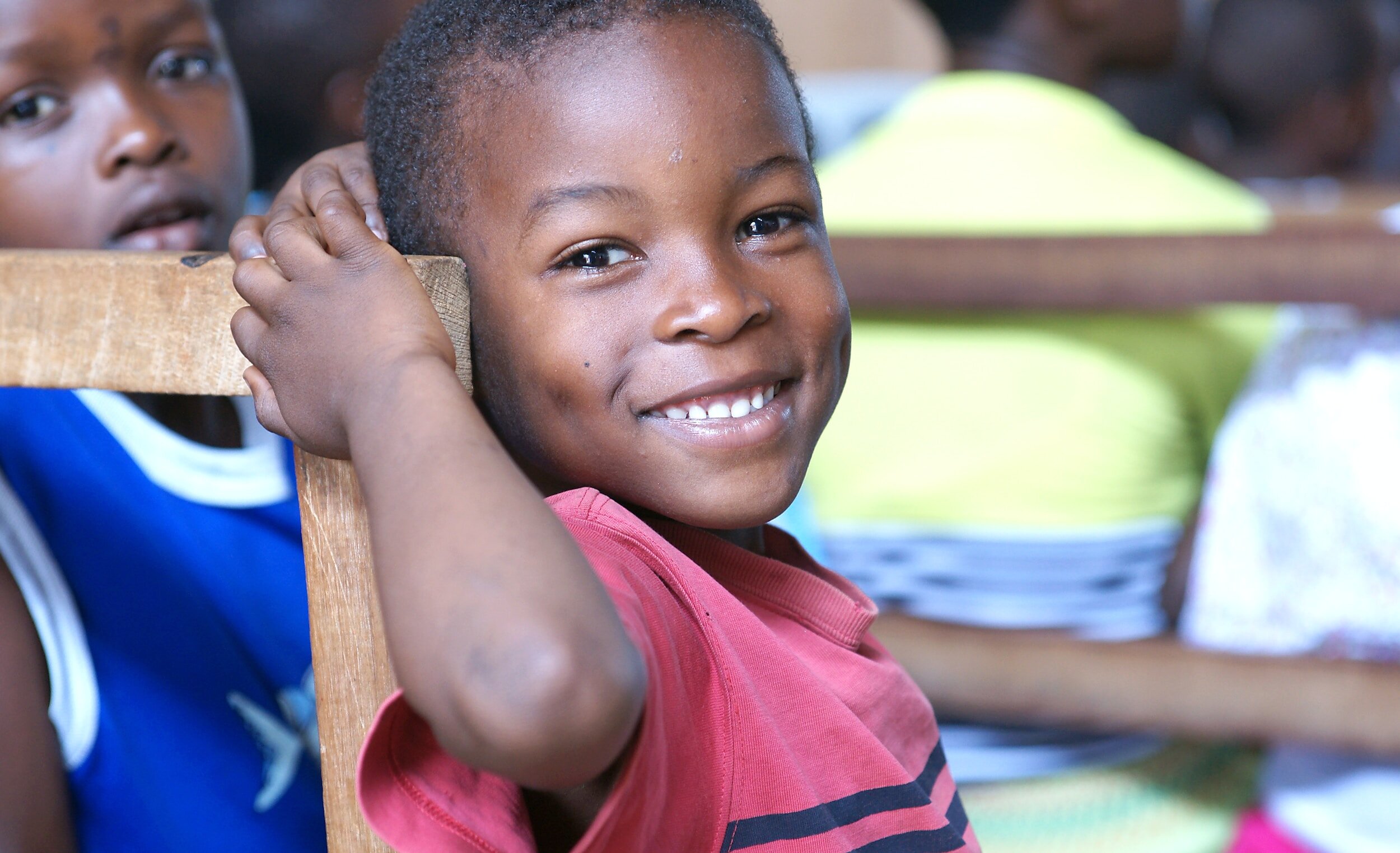
Just knowing how our body works can bring relief. Think of a newborn learning about their body. Everything can feel overwhelming until you know why it is happening and what will bring relief. Whether you are breaking a cycle of family violence, trying to keep a child out of the system, or just want to understand the behaviors of friends, neighbors, or your boss, you deserve that same relief. BBI offers simple accessible resources to help you explore and apply current research to live an empowered, happy, healthy life.
Support for Systems
Conventional understanding of emotions and behaviors is out of date. Especially when it comes to those considered outside of the mainstream, like anxiety, and depression, or aggression and violence.
The gap between available science and its application exacerbates and perpetuates some of the biggest problems plaguing people and systems. Closing this gap invites novel science-informed solutions in public health, education, human service, and youth treatment systems.

Support for Communities
Safe. A simple word whose felt presence makes all the difference. There is a biological algorithm behind what makes communities safe.
Safe communities are those whose families experience agency over the predictability of their survival resources. Discover the science at the root of this equation and how to apply it in your community to make your homes and streets safe.

Support for Researchers
Good research can transform lives, when it is applied. We know it can feel like the work you do doesn’t matter in the real world. We are here to tell you it matters. BBI believes relevant research should easily reach those it can help the most, and not be hidden behind a paywall. If you have research that exposes the biological foundations of emotion and behavior we would love to hear from you.
Science matters. If we share your research in a way that you feel doesn’t get it right, we would love to work with you to make sure your work is presented the way you would like.


Schools
Human Services

Youth Treatment
Contact
Feel free to contact us with any questions.
Email
info@bodyandbehaviorinstitute.com
Where do emotions, feelings, and behaviors come from? Why do emotions sometimes feel like a survival event? Does your body produce emotions to help you? Is It possible to change emotions, feelings and behaviors?
Where do emotions, feelings, and behaviors come from? Why do emotions sometimes feel like a survival event? Does your body produce emotions to help you? Is It possible to change emotions, feelings and behaviors?
_________________________________________
References and suggested reading/listening:
Peer Reviewed Scholarly Publications
Carvalho, G. B., & Damasio, A. (2021). Interoception and the origin of feelings: A new synthesis. BioEssays, 43(6), 1–11. https://doi.org/10.1002/bies.202000261
Craig, A. D. (2003). Interoception: The sense of the physiological condition of the body. Current Opinion in Neurobiology, 13(4), 500–505. https://doi.org/10.1016/S0959-4388(03)00090-4
Fotopoulou, A., & Tsakiris, M. (2017). Mentalizing homeostasis: The social origins of interoceptive inference. Neuropsychoanalysis, 19(1), 3–28. https://doi.org/10.1080/15294145.2017.1294031
Khalsa, S. S., Adolphs, R., Cameron, O. G., Critchley, H. D., Davenport, P. W., Feinstein, J. S., Feusner, J. D., Garfinkel, S. N., Lane, R. D., Mehling, W. E., Meuret, A. E., Nemeroff, C. B., Oppenheimer, S., Petzschner, F. H., Pollatos, O., Rhudy, J. L., Schramm, L. P., Simmons, W. K., Stein, M. B., … Zucker, N. (2018). Interoception and Mental Health: A Roadmap. Biological Psychiatry: Cognitive Neuroscience and Neuroimaging, 3(6), 501–513. https://doi.org/10.1016/J.BPSC.2017.12.004
Panksepp, J. (1982). Toward a general psychobiological theory of emotions. Behavioral and Brain Sciences, 5(03), 407. https://doi.org/10.1017/S0140525X00012759
Rhodes, K., & Rhodes, A. (2017). The pursuit of homeostasis: Closing the gap between science and practice in the treatment of aggression and violence. Aggression and Violent Behavior, 34, 9–19. https://doi.org/10.1016/j.avb.2017.03.003
Tsakiris, M., & Critchley, H. (2016). Interoception beyond homeostasis: Affect, cognition and mental health. In Philosophical Transactions of the Royal Society B: Biological Sciences (Vol. 371, Issue 1708). https://doi.org/10.1098/rstb.2016.0002
Podcasts and interviews:
Homeostasis Emotion and Feelings with Gil Carvalho
Homeostasis and the origin of emotions and behavior with Max Henning
The science of emotions: Jaak Panksepp at TEDxRainier
Media credit (photo/video/audio/animation) Sincere thanks to the following artists
Thumbnail image - Family harvesting vegetables in garden – istock.com/ RyanJLane
Anatomy person- Gerd Altmann, Pixabay
Swimming person – KONSTANIN SHISHKIN, Storyblocks
Dark theatre – malmanxx, Unsplash
Pupils dilating – PepN Stock Footage, Storyblocks
Heart beating – M.G.F.Studio, Storyblocks
Blood vessels and heart– icetray, Storyblocks
Person drinking water in hot sun – Oles Ishchuk, Storyblocks
Dad feeding baby – Prostock-studio, Storyblocks
Aligator – Dualstock, Storyblocks
Rejection in high school hallway- istock.com/FatCamera
Breeze through window - KONSTANIN SHISHKIN, Storyblocks
Friends Hugging – Cinemarketing, Storyblocks
Mom playing with child in yard – JustinHorrocks, Storyblocks
Friends laughing around fire – stockbusters, Storyblocks
Man hiking – stockbusters, Storyblocks
______________________________________________
Disclaimer: The contents of this video are for informational and educational purposes only and are not intended to be medical or psychiatric advice, diagnosis, or treatment, nor to replace medical or psychiatric care. The information presented herein represents the perspective of the author. The concepts presented are accurate and conform to the available scientific evidence to the best of the author's knowledge as of the time of posting. Always seek the advice of qualified mental health providers with any questions regarding any emotional or psychological condition. Never disregard professional mental health advice or delay seeking it because of information contained in Body and Behavior Institute videos.